
How to Find Dauphin County Court Dockets
The statewide Unified Judicial System (UJS) portal is the main tool for Dauphin County criminal, magisterial, traffic, and appellate dockets. The county Prothonotary runs a separate civil case search for Common Pleas civil dockets. Both are free. Pick the one that matches your case type, then search by docket number or by name.
Have your details ready before you start. A docket number gives an exact hit. A full name plus Dauphin County works when you do not have the number. If two people share a name, add a date range or the court level to trim the list.
- Open the UJS Web Portal case search for criminal, magisterial, or appellate dockets.
- Choose Docket Number, Participant Name, or Citation Number in the Search By menu.
- Select Dauphin County to limit the results.
- For civil Common Pleas dockets, use the county civil case search instead.
- Open the docket sheet and read the entries from top to bottom.
What a Dauphin County Court Docket Is
A docket is a dated index of a case. Each line marks one event: a filing, a motion, an order, a hearing notice, a plea, or a judgment. The docket does not hold the full text of every document. It tells you what happened and when, and it points to the papers in the case file.
Think of it as the table of contents for a case. To read an actual motion or order in full, you often need to request the document from the clerk who holds it.
Dockets matter because they are public and fast. You do not need to be a party to the case to read one. You do not need a lawyer, a fee, or a reason. A few keystrokes show you whether a charge is open, what the next hearing date is, and how a judge ruled. That makes the docket the first stop for anyone tracking a Dauphin County case, from a defendant checking a court date to a reporter following a filing.
- Docket entry
- A single dated line recording one filing or event.
- Caption
- The case title that names the parties.
- Disposition
- The result of a charge or claim.
Dauphin County Docket Number Formats
Docket numbers tell you the court level at a glance. Dauphin County uses county code 22 for Common Pleas cases and district 12 for magisterial cases. The format below helps you read a number or build a search.
| Court | Format Example | Use |
|---|---|---|
| Common Pleas criminal | CP-22-CR-0009999-2017 | Felony and misdemeanor cases |
| Magisterial District Court | MJ-12101-TR-0009999-2017 | Traffic and minor matters |
| Magisterial non-traffic | MJ-12101-NT-0008888-2017 | Summary non-traffic offenses |
| Citation number | A5368532-1 | Traffic and summary citations |
| Appellate | 4000 WDA 2017 | Superior and Commonwealth Court |
Docket Search Fields on the UJS Portal
The UJS portal changes its visible fields based on the search mode you pick. The fields below cover the modes Dauphin County users reach for most. Match the field to what you already know about the case.
| Field Label | Type | Required | Notes / Format |
|---|---|---|---|
| Search By | Dropdown | Yes | Docket Number, Participant Name, Citation Number, OTN. |
| Docket Number | Text | When selected | CP-22 or MJ-12 formats. |
| Participant Name | Text | When selected | Last and first name. |
| Date Filed Start / End | Date | Conditional | mm/dd/yyyy; 180-day max range. |
| County | Dropdown | Conditional | Choose Dauphin. |
| Scheduled Events Only | Checkbox | Optional | Limits results to cases with a future hearing. |
What a Dauphin County Docket Sheet Shows
A public docket sheet groups its data into a header, parties, entries, and financials. Criminal dockets add charge and bail detail. The inventory below lists the fields you will read on a Dauphin County docket sheet.
| Section | What It Shows |
|---|---|
| Header | Court, docket number, caption, case status, filing date, judge. |
| Parties | Defendant, plaintiff, petitioner, respondent, and attorneys. |
| Criminal metadata | OTN, charges, statute, grade, arresting agency. |
| Docket entries | Complaint, hearings, motions, orders, pleas, continuances. |
| Disposition | Outcome and sentence for each charge. |
| Financial | Fines, costs, restitution, and payment references. |
Civil Dockets and the Prothonotary
Civil Common Pleas dockets in Dauphin County run through the Prothonotary. The county civil case search shows current civil records from November 1, 2001 to the present. Older civil dockets live in legacy indexes that reach back to 1785. Divorce, name change, arbitration, and landlord-tenant matters all appear as civil dockets.
The office is moving to a new case management system, so it warns that some civil dockets may not be online yet. For a civil docket you cannot find, call the Prothonotary or visit the courthouse counter.
Magisterial District Court Dockets
Many Dauphin County cases start in a Magisterial District Court. Those courts log traffic citations, summary offenses, landlord-tenant cases, and small civil claims up to $12,000. They also hold the preliminary hearings that decide whether a criminal charge moves up to Common Pleas. The 12th Judicial District runs fifteen of these courts plus Night Court and Central Court.
Magisterial dockets carry an MJ-12 prefix and show in the same UJS portal as Common Pleas dockets. When a case is bound over, the magisterial docket links to the new Common Pleas docket, so you can follow the case from its first hearing through to trial. A traffic case, by contrast, often stays at the magisterial level unless it is appealed.
How Dockets Differ From Full Case Records
A docket is a summary. A case file is the full set of papers. The docket lists that a motion was filed and ruled on. The case file holds the motion itself and the judge's signed order. For most quick checks, the docket is enough. For legal use, you usually need certified copies of the underlying documents.
This split matters when you order records. The online docket is free but informational. A certified copy carries an official seal and comes from the clerk who keeps the file. Civil documents come from the Prothonotary. Criminal documents come from the Clerk of Courts. If you only need to confirm a date or a result, the docket alone will do the job.
Note: A docket sheet is a court record, not a criminal-history background check, which the Pennsylvania State Police handle through a separate request.
Reading Docket Status and Disposition
The case status field tells you whether a case is active, closed, inactive, or adjudicated. The disposition tells you the result of each charge or claim. A charge marked open is still pending. A guilty plea, verdict, or dismissal is a final disposition. Reading both fields keeps you from mistaking a pending case for a closed one. A single case can also show more than one disposition when it carries several charges, so check each line.
Some entries point to expungement or limited-access activity. Pennsylvania expungement runs under 18 Pa.C.S. § 9122 for adults.
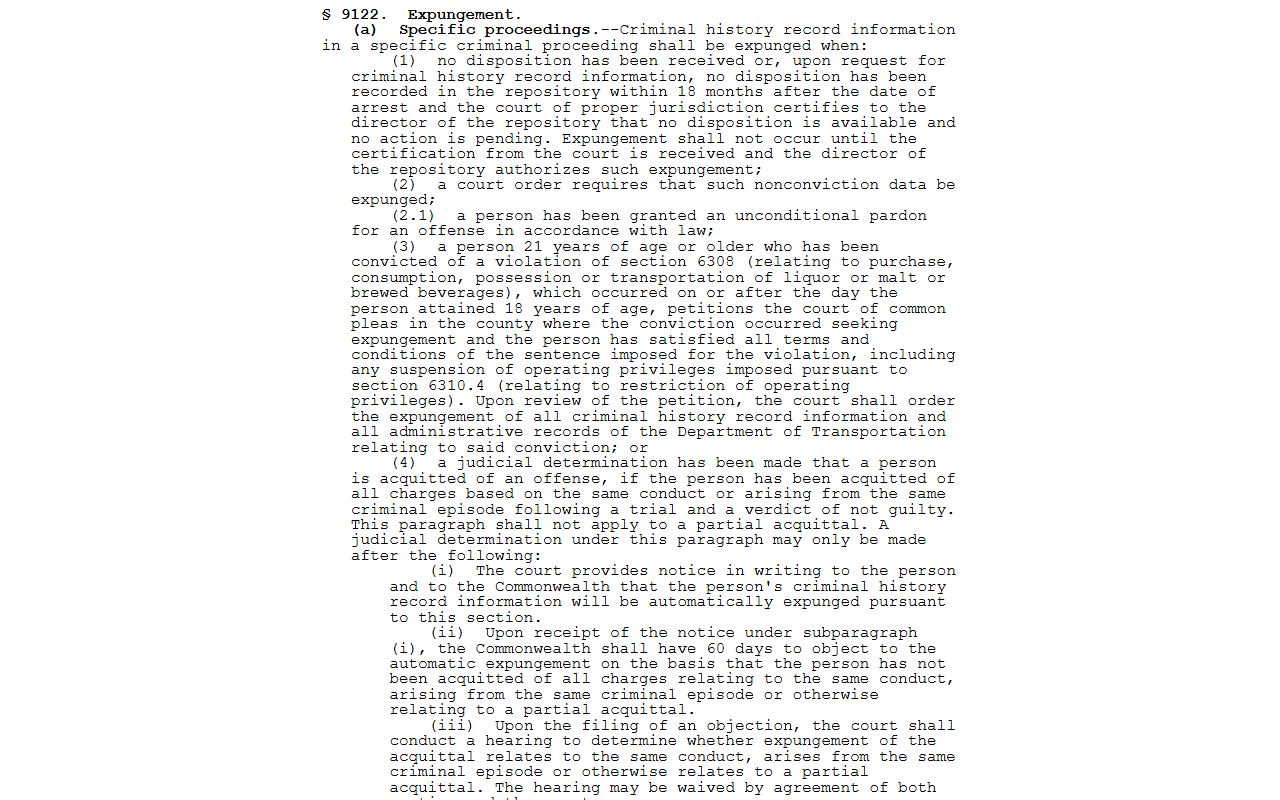
Once a court grants an expungement, the case drops out of the public docket search.
Recent-Entry Delays and Restricted Dockets
Not every docket shows up right away, and not every case is public. The UJS warns that recent filings may lag before they post. Juvenile cases stay confidential under the Juvenile Act and related rules.
Juvenile records carry their own expungement path under 18 Pa.C.S. § 9123, and the broader rules on criminal history sit in 18 Pa.C.S. Chapter 91.
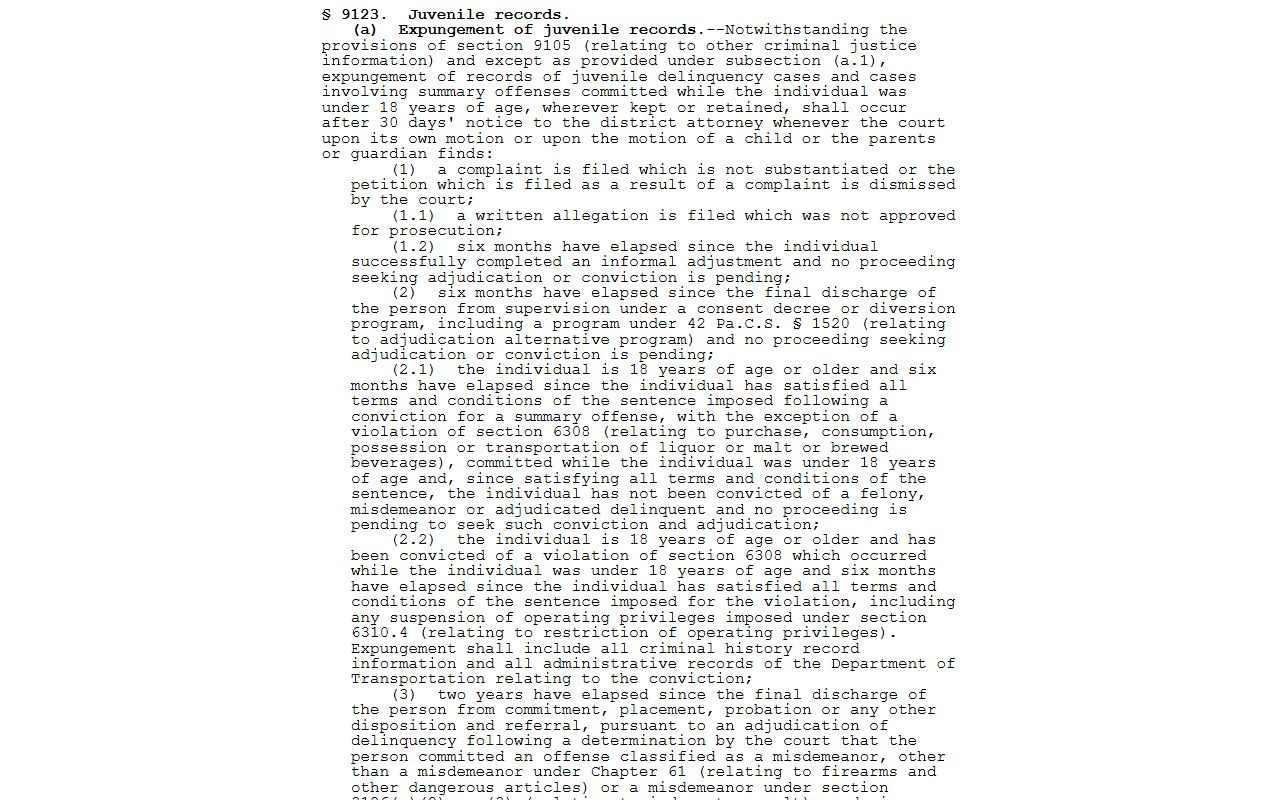
Because of these rules, a juvenile, expunged, sealed, or limited-access docket may not appear even when your search terms are correct.
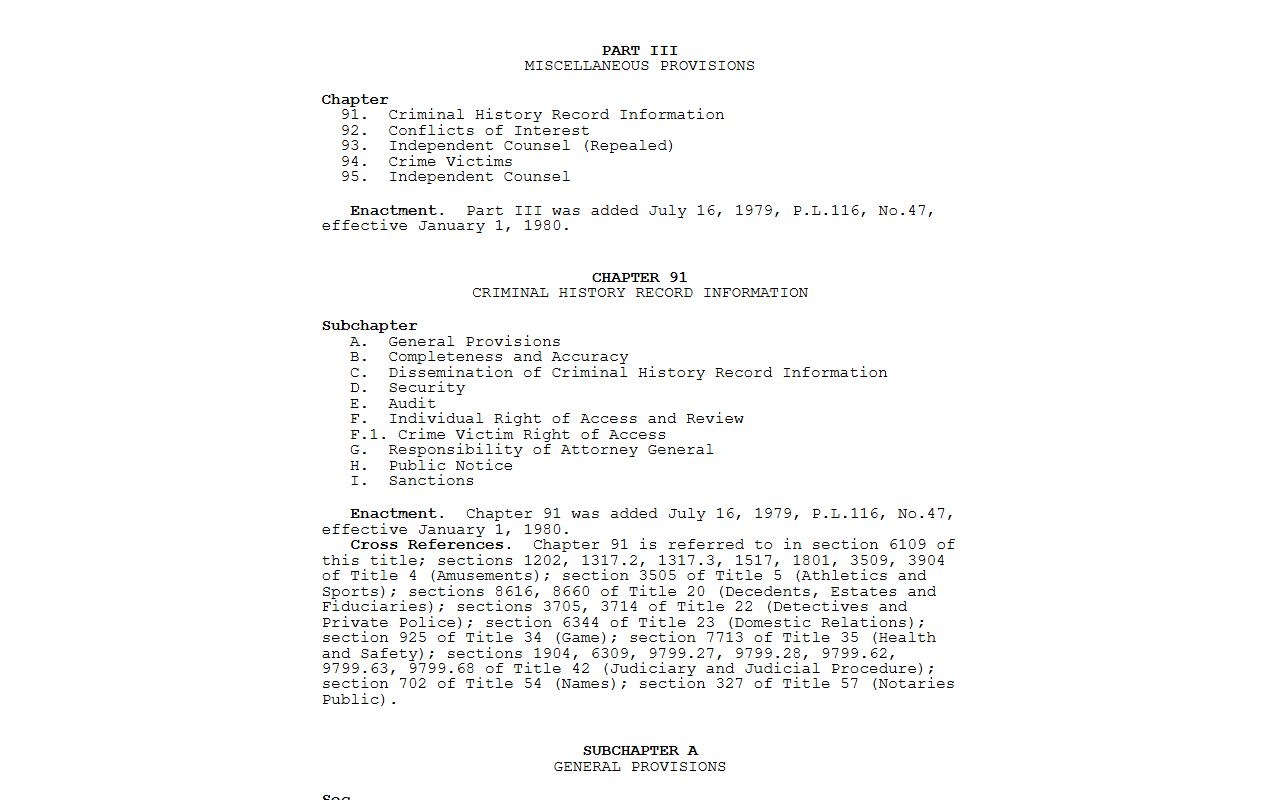
Chapter 91 sets the rules for how criminal history record information is collected, kept, and shared statewide.
Court Calendars and Scheduled Events
Dockets pair with court calendars. The county posts yearly schedules for arbitration, trial weeks, drug court, mental health court, and summary appeals. If a docket shows a future hearing, the calendar tells you the week it falls in. The UJS Scheduled Events Only filter narrows results to cases with upcoming dates.
The county calendar archive lists many niche schedules, from Audit of Accounts and Call of the List to Fines and Costs Contempt Court. For a person with a pending matter, the calendar confirms which week a case category is heard, even before a specific hearing notice posts to the docket.
Appellate Dockets From Dauphin County
When a Dauphin County case is appealed, a new appellate docket opens. Most criminal and civil appeals go to the Superior Court of Pennsylvania. Cases against state or local government go to the Commonwealth Court. The Supreme Court of Pennsylvania reviews select matters as the court of last resort.
Appellate dockets use a different format, such as 4000 WDA 2017 or 4000 CD 2017, and you search them by choosing the Appellate or Docket Number mode in the UJS portal. The appellate docket links back to the Common Pleas case it came from, so you can trace a case across both levels. An appeal can take many months, so the docket is the best way to watch for a ruling.